












How to Rebuild Intimacy When One Partner Has a Lower Interest in Sex
Every relationship goes through different phases. There are times when both partners feel deeply connected, and there are also periods when one person may have less interest in physical intimacy than the other. This situation can be confusing and emotionally difficult, especially for the partner who feels rejected. It is common for feelings of frustration, loneliness, sadness, or even anger to build over time.
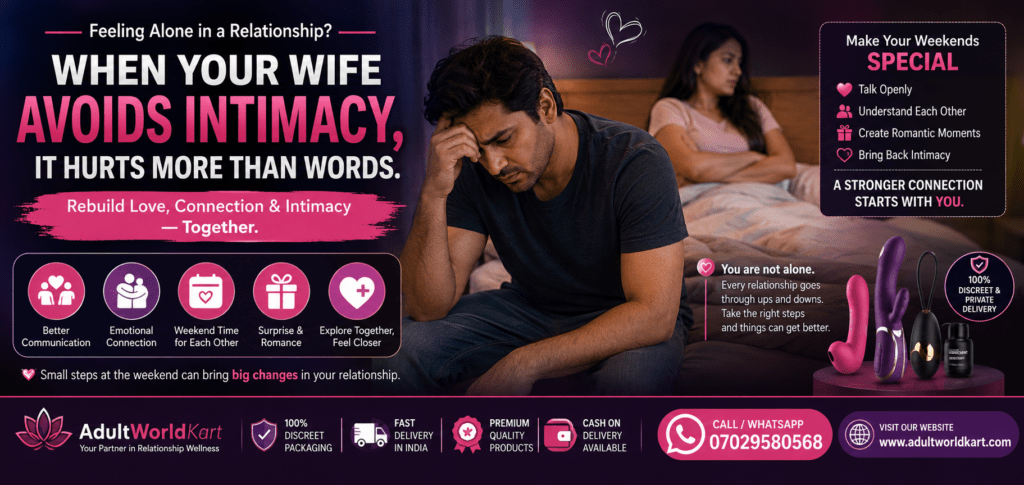
The good news is that a temporary difference in sexual interest does not always mean a relationship is failing. In many cases, open communication, patience, and understanding can help couples reconnect. Instead of blaming each other, focusing on emotional closeness often creates a stronger foundation for physical intimacy.
Understanding Why Your Partner May Avoid Intimacy
There are many reasons why someone may not feel interested in sexual activity. Stress from work, parenting responsibilities, financial pressure, poor sleep, anxiety, hormonal changes, certain medications, or relationship conflicts can all reduce desire. Sometimes the issue has nothing to do with attraction toward a partner.
Instead of assuming the worst, try approaching the situation with curiosity and empathy. A calm conversation can reveal concerns that have never been discussed before.
Avoid Letting Frustration Control Your Reactions
Feeling rejected repeatedly can be emotionally painful. However, responding with anger, criticism, or pressure often makes the situation worse. When someone feels forced or judged, they may become even less interested in physical closeness.
Healthy relationships grow when both partners feel emotionally safe. Listening without interrupting, avoiding blame, and respecting each other’s feelings can help create that safety.
Start with Emotional Connection
Physical intimacy often becomes easier when emotional intimacy is strong. Spend quality time together without expecting anything in return.
Simple ideas include:
- Cooking dinner together.
- Watching a favorite movie.
- Taking an evening walk.
- Planning a short weekend outing.
- Sharing compliments and appreciation.
- Disconnecting from phones during quality time.
Small moments of connection throughout the week can make a significant difference.
Plan a Relaxing Weekend Together
If weekdays are stressful, consider making weekends your dedicated couple time. Rather than treating intimacy as an obligation, create opportunities to relax together.
A comfortable dinner at home, soft music, meaningful conversation, and uninterrupted time can help both partners reconnect naturally. The goal is not to create pressure but to enjoy each other’s company.
Talk Honestly About Needs
Many couples never discuss intimacy openly because they fear hurting each other’s feelings.
Choose a calm moment and explain how you feel using “I” statements instead of blame.
For example:
“I miss feeling close to you, and I’d love for us to spend more quality time together.”
This approach encourages discussion instead of defensiveness.
Respect Consent and Personal Boundaries
A healthy relationship is built on mutual respect. Intimacy should always be based on enthusiastic, mutual consent. No partner should ever feel pressured into sexual activity.
When both people feel respected, trust grows stronger, making emotional and physical closeness more natural over time.

Explore Relationship Wellness Together
Some couples enjoy exploring relationship wellness products together as part of their intimate life. These products are not solutions to relationship problems, but they may add variety or comfort when both partners are interested and have openly discussed using them.
The most important step is making decisions together, respecting each other’s comfort level, and choosing quality products from trusted sellers.
If you decide to explore wellness products, make it a shared conversation rather than a surprise purchase. Mutual agreement is essential.
When Professional Support Can Help
If intimacy challenges continue for several months and begin affecting your relationship, speaking with a qualified healthcare professional or a licensed couples therapist can be very helpful.
Professionals can identify medical, emotional, or relationship factors that may be contributing to the situation and suggest appropriate treatment or communication strategies.
Seeking help is a sign of commitment to your relationship—not failure.
Final Thoughts
Every couple experiences ups and downs. A temporary difference in sexual interest does not define your relationship. What matters most is how both partners respond with patience, communication, and understanding.
Instead of allowing frustration to create distance, focus on rebuilding emotional closeness one step at a time. Plan meaningful weekends together, listen without judgment, respect each other’s boundaries, and communicate honestly about your needs.
Strong relationships are built through trust, kindness, and mutual respect. When emotional connection grows, physical intimacy often becomes easier and more fulfilling for both partners.
This article is for educational purposes only and is not a substitute for medical, psychological, or relationship counseling. If changes in sexual desire are persistent or causing distress, consult a qualified healthcare professional or licensed therapist.